Article
Glymphatic Cleansing: The Neuroscience of Sleep and Brain Longevity in Aging Men
May 22, 20261 min read
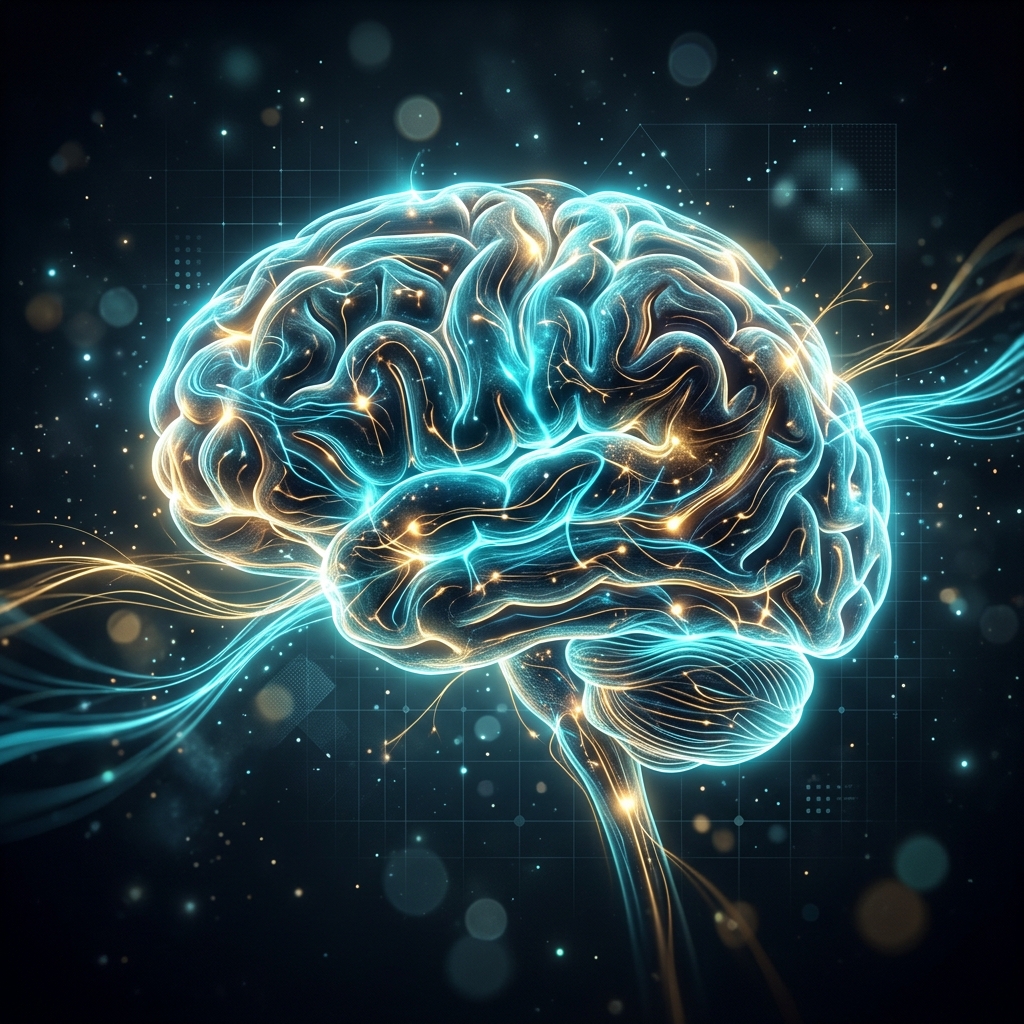
For decades, science viewed the brain as an organ that recycled its own waste slowly. Unlike the rest of the body, which relies on the lymphatic system to clear metabolic debris, the brain appeared to lack a dedicated drainage network. This mystery was solved in 2012 by researchers at the University of Rochester who discovered the glymphatic system—a specialized waste clearance pathway that acts like a microscopic dishwasher for the central nervous system.
During waking hours, the brain is highly active, producing metabolic waste products, including amyloid-beta and tau proteins. As we go about our day, these toxic byproducts accumulate in the interstitial space between brain cells. The glymphatic system remains mostly inactive during the day, waiting for the onset of deep sleep to begin its critical cleansing cycle.
When we enter slow-wave (deep) sleep, glial cells contract, increasing the space between neurons by up to 60 percent. This contraction allows cerebrospinal fluid (CSF) to rush through the brain, flushing out the accumulated metabolic debris. Without high-quality deep sleep, this clearance process is blunted, leaving toxic proteins to form plaques that are associated with cognitive decline and Alzheimer's disease.
As men enter their 40s and 50s, slow-wave sleep naturally declines, which can impair glymphatic efficiency. Chronic stress, high alcohol intake, and poor sleep architecture exacerbate this decline. To support glymphatic function, clinical strategies focus on stabilizing circadian rhythms, maximizing slow-wave sleep windows, and maintaining proper hydration.
For the modern man, brain health is the ultimate leverage. Sleep is not a passive break from productivity; it is an active, metabolic necessity. By protecting sleep architecture, we actively maintain the neural infrastructure required for sharp decision-making, executive focus, and cognitive relevance for the decades to come.
Further Reading & Intellectual Resources
We recommend studying the source texts below to further explore the scientific principles or philosophical arguments detailed in this dispatch.
Outlive: The Science and Art of Longevity
by Dr. Peter Attia
A comprehensive clinical manual for optimizing metabolic, cardiovascular, and cognitive healthspan.
Why We Sleep: Unlocking the Power of Sleep and Dreams
by Dr. Matthew Walker
Explores the neurobiology of sleep architecture, memory consolidation, and glymphatic waste clearance.